
what materials are commonly used in pcb fabrication and assembly fabrication?
commonly used in pcb fabrication and assembly fabrication
PCB fabrication and assembly rely on a variety of materials carefully selected for their properties to ensure the functionality and reliability of electronic devices. These materials play crucial roles in different stages of the manufacturing process, from creating the physical circuit board to mounting electronic components and facilitating electrical connections.
One of the most commonly used materials in pcb fabrication and assembly is the substrate, which serves as the base upon which the circuitry is built. The substrate is typically made of fiberglass or composite epoxy materials. These materials offer excellent mechanical strength, dimensional stability, and thermal resistance, making them ideal for withstanding the rigors of electronic applications.
Copper is another essential material in PCB fabrication, forming the conductive pathways that carry electrical signals throughout the board. Copper foils are laminated onto the substrate during the fabrication process, and the excess copper is removed through etching to create the desired circuit pattern. Copper is chosen for its high electrical conductivity and corrosion resistance, ensuring efficient signal transmission and long-term reliability.
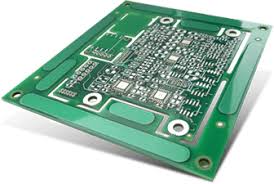
what materials are commonly used in pcb fabrication and assembly fabrication?
In addition to substrate and copper, solder is a critical material used in PCB assembly to create permanent electrical connections between components and the PCB. Solder is typically a metallic alloy composed of tin and lead or other elements, chosen for its low melting point and ability to form strong, durable bonds. However, due to environmental concerns, lead-free solder alloys are increasingly being used in modern electronics manufacturing.
Electronic components mounted on PCBs are made from various materials depending on their function and requirements. For example, resistors and capacitors are often made of ceramic, tantalum, or electrolytic materials, chosen for their ability to store and regulate electrical energy. Integrated circuits (ICs) and microprocessors are typically encapsulated in plastic or ceramic packages to protect the delicate semiconductor materials inside.
Surface Mount Technology (SMT) components, which are mounted directly onto the surface of the PCB, often feature lead frames made of copper or other metals, encapsulated in plastic or ceramic housings. These components are designed to be compact, lightweight, and highly reliable, making them well-suited for modern electronics applications where space is at a premium.
Through-Hole Technology (THT) components, which have leads that pass through holes drilled in the PCB, may feature metal leads made of copper or other conductive materials, encapsulated in plastic or ceramic packages. These components are typically larger and more robust than SMT components, making them suitable for applications where durability and ease of assembly are priorities.
Overall, the materials used in PCB fabrication and assembly are chosen for their electrical, mechanical, and thermal properties to ensure the functionality, reliability, and longevity of electronic devices. By carefully selecting and processing these materials, manufacturers can produce PCBs that meet the demanding requirements of today’s increasingly complex and sophisticated electronic systems.