
How do weather conditions affect Roofing installation?
Weather plays a major role in the success of any Roofing installation project. From temperature swings to unexpected storms, environmental factors directly influence material performance, crew safety, and installation timelines. Homeowners who understand these influences can plan smarter and avoid preventable issues. In regions with variable climates, roofing professionals carefully monitor forecasts to ensure installations meet durability standards and long-term performance expectations without compromising structural integrity or workmanship quality.
The Relationship Between Climate and Roofing Performance
Every roofing material responds differently to environmental conditions, making weather awareness essential during Roofing installation. Shingles, membranes, and underlayments all have optimal conditions for adhesion and sealing. When projects are scheduled with climate in mind, the roof is more likely to resist leaks, wind uplift, and premature aging. This planning approach is especially valuable for homes in coastal or wet regions where weather patterns shift rapidly throughout the year.
Temperature Extremes and Material Behavior
Temperature significantly affects how roofing materials expand, contract, and bond. Extremely cold conditions can make shingles brittle, increasing the risk of cracking during fastening. Excessive heat, on the other hand, may soften materials, leading to stretching or improper alignment. During Roofing installation, professionals aim for moderate temperatures to ensure sealants cure correctly and materials settle into place without stress that could shorten the roof’s lifespan.
Rain, Moisture, and Installation Risks
Moisture is one of the most disruptive factors during roofing work. Rain can compromise exposed decking, reduce traction for workers, and prevent proper sealing of layers. Even light moisture may become trapped beneath materials, leading to mold or rot over time. For this reason, reputable contractors pause projects when precipitation is expected, prioritizing long-term roof health over speed or short-term scheduling convenience.
Wind Conditions and Job Site Safety
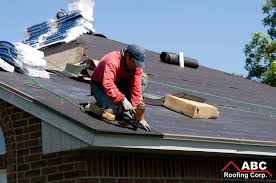
High winds affect both safety and precision during Roofing installation. Gusts can lift unsecured materials, create hazards for workers, and interfere with accurate placement. Wind also impacts fastening patterns, as certain regions require enhanced attachment methods to resist uplift. Experienced crews adjust techniques and timelines based on wind forecasts, ensuring that installations meet local code requirements while maintaining a safe, controlled job site environment.
Seasonal Planning in the Pacific Northwest
In the Portland and Seattle metro areas, seasonal weather patterns demand strategic planning. Frequent rain, overcast skies, and cool temperatures require flexible scheduling and durable material choices. Contractors familiar with these conditions understand how to work within short dry windows while maintaining quality. This regional expertise supports smoother Roofing installation outcomes and aligns with broader exterior improvement services designed for long-lasting performance in damp climates.
Professional Scheduling and Smart Preparation
Professional roofing teams track forecasts closely and communicate proactively with homeowners. Companies focused on stress-free experiences often build weather contingencies into project plans. This approach protects materials from unexpected rain and ensures consistent results. Learning how weather impacts roofing also helps homeowners appreciate delays caused by rain, which are often necessary to protect the structure. Helpful planning insights are often shared through resources available at homze.com.
Ultimately, weather conditions shape every phase of a roofing project, from planning to final inspection. Successful outcomes depend on respecting environmental limits and adjusting schedules accordingly. By working with experienced professionals who understand climate challenges, homeowners gain a roof built to last. Thoughtful timing, proper materials, and expert execution ensure Roofing installation delivers durability, comfort, and peace of mind regardless of regional weather variability.