
How is severance pay calculated for federal workers?
severance pay calculated for federal workers
Calculating severance pay for federal workers is an important aspect of employment law in Canada, as it ensures that employees who are terminated without cause receive fair compensation. Federal employees work in sectors that are governed by the Canada Labour Code, including banking, telecommunications, railways, airlines, and interprovincial trucking. Understanding how severance pay is calculated for federal workers helps both employers and employees comply with federal regulations and ensures that workers receive the financial support they are entitled to.
Severance pay for federally regulated employees is typically calculated based on the employee’s length of continuous service and their regular wages. The Canada Labour Code establishes minimum entitlements, which provide a standardized framework for compensation. Generally, employees are entitled to a certain number of weeks of pay for each year of service, with the total amount often capped at a maximum limit specified by federal legislation. This approach ensures that longer-serving employees receive a severance package that reflects their years of commitment to the organization while maintaining fairness and predictability across federally regulated sectors.
In addition to base wages, Severance pay for federally regulated employees may include consideration of other forms of compensation, depending on the employment contract or collective agreement. For example, benefits such as pension contributions, vacation pay, or other allowances may be included in the overall calculation. Unionized federal employees may also have enhanced severance provisions negotiated through collective bargaining, such as additional weeks of pay or extended notice periods. These additional benefits ensure that employees are supported not only financially but also in terms of continued access to essential employment-related benefits during periods of transition.
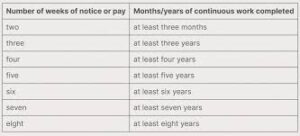
How is severance pay calculated for federal workers?
The process of calculating severance pay for federal workers begins with determining the employee’s regular earnings. This usually includes base salary and may sometimes include other regular payments, such as commissions or overtime, if stipulated in the employment contract. The next step is to determine the employee’s length of continuous service, which is measured from the start date of employment to the termination date. Federal regulations then specify the number of weeks of pay an employee is entitled to per year of service. Multiplying this number by the employee’s weekly earnings provides the basic severance amount. Any additional benefits or entitlements, as outlined in employment contracts or collective agreements, are then added to arrive at the total severance pay.
Employers must comply strictly with federal regulations when calculating severance pay. Failure to provide accurate severance pay for federally regulated employees can lead to legal disputes, fines, or enforcement actions under the Canada Labour Code. Human resources departments play a critical role in ensuring that all calculations follow federal guidelines and that employees are provided with clear documentation of their entitlements. Employees, on the other hand, should familiarize themselves with federal requirements and review their contracts or union agreements to understand the full scope of their severance benefits.
In conclusion, severance pay for federally regulated employees is calculated based on a combination of length of service, regular wages, and, in some cases, additional benefits as provided by employment contracts or collective agreements. Understanding how severance pay is calculated for federal workers ensures that employees receive the support they are entitled to during periods of termination without cause, while also helping employers maintain compliance with federal regulations. Clear and accurate calculation fosters a fair and transparent work environment across federally regulated sectors in Canada.