
What role does rework play in circuit card assembly processes?
rework play in circuit card assembly processes
When a circuit board is designed, it is made up of several layers. The bottom layer is copper, which serves as an electrical conductor. The top layer is soldermask, which insulates the copper and protects it from corrosion. The middle layer is a polyimide film, which also insulates the board. The outermost layer is the silkscreen, which features a pattern or letters that help engineers identify components on the board. The circuit board assembly process involves connecting the components to the copper layers by using solder. This allows the circuit board to function properly. The rework process involves fixing or replacing components on the circuit board when they are defective. The rework process is important to prevent further problems with the circuit board, such as shorting out or losing power.
There are many reasons why a circuit card assembly may need to be reworked. One of the most common reasons is an error that occurs at the EMS company, which results in a non-functional PCB. Another reason is a problem with the electronic design of the circuit board. Finally, rework may be necessary due to counterfeit or refurbished components that were used in the production of the circuit board.
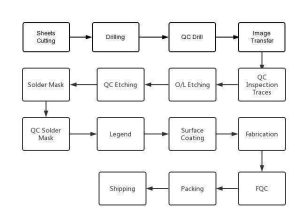
Whenever there is a problem with the circuit board, it is essential that the rework process be performed as quickly and accurately as possible. This is why Sierra Assembly employs highly trained and experienced technicians who have the knowledge and skills to perform rework on a variety of different types of circuit boards. To ensure the best results, the rework process is carried out in an area that is free of contamination and dust. In addition, the rework process uses appropriate methods for coating removal to avoid damage to sensitive components.
What role does rework play in circuit card assembly processes?
The rework process can be time consuming, especially when the circuit board is complex or has numerous components that need to be repaired or replaced. However, it is essential for ensuring that the finished product meets or exceeds industry standards. In addition, it is possible to reduce the amount of rework by implementing lean manufacturing principles.
Reducing or even eliminating the need for rework in your circuit board assembly processes can save valuable resources and improve overall quality. After all, your downstream customers just want the right product or service, and every time you need to fix something that should have worked the first time, it takes away from that.
While there is always some level of risk involved with rework, it can be effective when it is used in the right circumstances. This can be especially true for products that perform critical functions, such as a pacemaker or the electronics in your car or aerospace aircraft. However, it is important to understand that a reworked product does not necessarily have less integrity than one that passed all tests initially. The key is to make sure that your processes are well documented and under control. It’s also a good idea to review your failure mode and effects analysis periodically to ensure that all possible issues have been identified.