
What considerations are important in designing a printed circuit board assembly services?
important in designing a printed circuit board assembly services
Designing a Printed Circuit Board (PCB) for assembly services entails a meticulous process that involves a myriad of considerations to ensure optimal performance, manufacturability, and reliability of the final product. From component selection and layout optimization to signal integrity and thermal management, each aspect of PCB design plays a crucial role in determining the success of the assembly process and the functionality of the electronic device.
One of the primary considerations in designing a printed circuit board assembly services is component selection. Choosing the right components based on factors such as functionality, availability, and reliability is essential for ensuring the overall performance and longevity of the electronic device. Compatibility with assembly processes, such as surface-mount technology (SMT) or through-hole technology (THT), also influences component selection and placement decisions.
Furthermore, optimizing the layout of the PCB is paramount for achieving efficient assembly and optimal performance. Proper component placement, routing of signal traces, and consideration of power and ground planes are critical aspects of layout design. By adhering to design guidelines and best practices, designers can minimize signal interference, impedance mismatches, and electromagnetic interference (EMI), thereby enhancing the overall reliability and functionality of the PCB assembly.
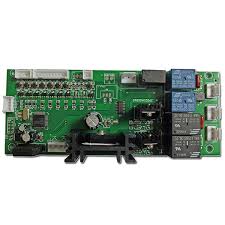
What considerations are important in designing a printed circuit board assembly services?
Signal integrity is another crucial consideration in PCB design, particularly in high-speed and high-frequency applications. Maintaining signal integrity involves minimizing signal distortion, reflections, and attenuation along transmission lines. Techniques such as controlled impedance routing, differential signaling, and proper grounding and shielding help mitigate signal integrity issues and ensure reliable data transmission within the PCB assembly.
Moreover, thermal management is a key consideration in PCB design, especially in applications involving power-dissipating components or harsh operating environments. Proper heat dissipation is essential for preventing component overheating, thermal stress, and premature failure. Design strategies such as thermal vias, heat sinks, and proper airflow management help dissipate heat efficiently and maintain optimal operating temperatures within the PCB assembly.
Compliance with industry standards and regulatory requirements is another important consideration in PCB design. Adhering to standards such as IPC-A-600 for PCB manufacturing and IPC-A-610 for PCB assembly ensures consistency, quality, and reliability throughout the production process. Compliance with regulations such as RoHS (Restriction of Hazardous Substances) and REACH (Registration, Evaluation, Authorization, and Restriction of Chemicals) is also essential for ensuring environmental sustainability and consumer safety.
Additionally, design for manufacturability (DFM) considerations play a crucial role in PCB design, as they influence the ease and cost-effectiveness of the assembly process. Designing for ease of assembly, testability, and inspection helps minimize production costs, reduce time-to-market, and improve overall product quality. Collaboration with PCB assembly service providers early in the design process facilitates DFM optimization and ensures seamless transition from design to manufacturing.
Furthermore, considerations such as reliability, scalability, and cost-effectiveness are essential factors in designing a PCB for assembly services. Implementing redundancy, error-checking mechanisms, and quality control measures enhances the reliability and robustness of the PCB assembly. Scalability considerations involve anticipating future product iterations or volume requirements and designing the PCB accordingly to accommodate potential changes or expansions. Cost-effectiveness considerations entail balancing performance requirements with budget constraints and optimizing material usage, manufacturing processes, and component sourcing to minimize production costs without compromising quality or functionality.
In conclusion, designing a Printed Circuit Board for assembly services requires careful consideration of various factors, including component selection, layout optimization, signal integrity, thermal management, regulatory compliance, manufacturability, reliability, scalability, and cost-effectiveness. By addressing these considerations comprehensively and collaboratively with PCB assembly service providers, designers can ensure the successful realization of their electronic designs while meeting performance objectives, quality standards, and business requirements.