
What are the 5 key elements of event marketing?
Key elements of event marketing
Whether your company is planning a live event or relying on digital event marketing to engage audiences, understanding the 5 key elements of effective types of event marketing will help you get ahead of the game. Make sure your call to action is clear and aligned with your goals, whether that’s generating leads or fostering networking.
A strong call to action will encourage registrants to sign up and will help you measure your event’s effectiveness afterwards. Having a solid event marketing plan is the only way to ensure that your brand gets the most out of its in-person or virtual events. By implementing these five elements into your strategy, you can make sure that your event is both successful and impactful.
To create an event that is well-received, you need to understand your audience and what drives them to attend. To do this, start by creating audience personas for each type of event you want to hold. For example, you may have multiple audiences for a wine tasting, including both newbies and connoisseurs. These personas will inform your event strategy, helping you to refine the messaging and create a more targeted campaign.
Social media is an essential part of any brand’s event marketing strategy, helping you to reach a wider audience and spread the word about what you have planned. This can be done through paid advertising on Facebook or Instagram as well as through sponsored content on blogs and websites. In addition, leveraging influencers to help promote your events can also be a powerful tool. Creating a dedicated hashtag for your event is another way to keep the conversation going and to measure its success.
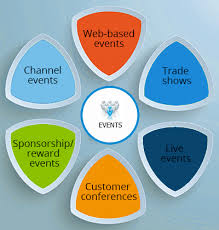
What are the 5 key elements of event marketing?
Using data to drive your event marketing strategy helps you personalize the experience for your attendees and improve their engagement with your brand. Implementing feedback mechanisms, such as live polls, Q&A sessions, and social media monitoring, allows you to adjust your event on the fly based on real-time responses. Embedding gamification elements into your event can further encourage attendees to participate in activities and foster networking.
There are many ways to measure the success of an event, from registering guests to converting them into paying customers. Start by evaluating your event’s objectives and determine the best metrics to track. A high sign-up rate is a good indicator of interest, but you’ll want to measure other indicators of an engaging event such as the number of meetings booked through your event app or the number of leads that are nurtured post-event.
Pricing strategies are crucial in determining the event’s accessibility and profitability. The price should reflect the value of the event and be competitive within the market. Factors like early bird discounts, tiered pricing, or VIP packages can influence attendance and revenue. This refers to the location or platform where the event will take place. For in-person events, it’s the venue; for virtual events, it’s the online platform. The place should be convenient, accessible, and aligned with the event’s goals and audience.