
Microwave PCB – How Does Reflow Soldering Contribute to Microwave PCB?
How Does Reflow Soldering Contribute to Microwave PCB
A well-developed PCB is the backbone of any electronic devices and reflow soldering plays a critical role in its assembly. It is an essential process that requires a thorough understanding of the reflow oven, processes, components, and solder paste to ensure successful outcomes. It is important to work with a manufacturer that understands the complexities of reflow soldering, and has the expertise to guide you through the process with minimal road bumps.
Reflow soldering involves several steps – preheat, soak, reflow and cooling. The preheat phase is the initial step in the process that begins by heating up the PCB, components and solder. The temperature needs to be high enough to melt the solder paste but not so hot as to cause damage to the components or the PCB. This phase typically lasts 30 to 60 seconds.
The soak or dwell phase is the next step. The microwave pcb, components and solder are heated up to a temperature just above the melting point of the solder for a predetermined time period. This is important for the reflow stage that follows, as it allows the solder to enter the melt zone where it can wet and bond with the components and PCB. This is usually a temperature window of 233 to 255°C and is often referred to as the reflow point.
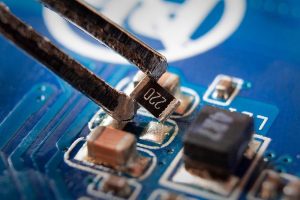
Microwave PCB – How Does Reflow Soldering Contribute to Microwave PCB?
Once the solder has reached the melt point, it is time for the reflow stage. The solder will reflow into the solder joint, forming a strong, solid connection between the metals. The peak reflow temperature is around 230 – 245°C and should not exceed this point to prevent premature failures in the solder joints.
Oxidation is a common issue in the reflow process that causes degradation of metal surfaces and environmental robustness. This is due to the high temperatures used in reflow ovens as well as the presence of oxygen that has an oxidizing effect on metals. The best way to avoid oxidation during the reflow process is by using an inert gas such as nitrogen.
Another common issue that can cause problems with reflow soldering is improper printing of the solder paste. This can lead to splatter and shadowing of the lands on the PCB, resulting in poor connections that can lead to product malfunction. A good printed circuit board design will minimize these issues, and it is crucial to work with an experienced manufacturing and assembly provider that knows the ins and outs of reflow soldering. San Francisco Circuits has the knowledge and expertise to take your design from layout to finished PCB while minimizing any road bumps along the way. Contact us today to see how we can help with your next project!