
How has the B2B definition evolved over time?
B2B definition
The b2b definition has undergone a remarkable transformation over the decades, reflecting the dynamic nature of commerce and technology. Traditionally, B2B referred to straightforward transactions between businesses, often involving manufacturers, wholesalers, and retailers. The primary focus was on supply chains, bulk purchases, and long-term contracts. Relationships were built on trust, reliability, and often personal connections, with negotiations taking considerable time and resources. Communication was mostly formal, relying on face-to-face meetings, phone calls, or written correspondence.
As industries evolved, the b2b definition expanded beyond mere transactional exchanges. The rise of globalization meant that businesses were no longer limited to local markets; international trade became a significant aspect of B2B interactions. Companies needed to understand diverse regulations, cultural nuances, and varying market demands. This shift required businesses to adopt more strategic approaches, integrating market research, logistics, and compliance into their B2B operations. In essence, the b2b definition grew to encompass a broader scope, focusing not just on transactions but on strategic partnerships and long-term growth.
The digital revolution further reshaped the b2b definition, introducing tools that revolutionized how businesses connect. E-commerce platforms, automated procurement systems, and digital marketplaces allowed businesses to reach global audiences more efficiently than ever before. Data-driven decision-making became a central element, with analytics helping companies identify trends, optimize pricing, and improve supply chain efficiency. The b2b definition now included not just the act of buying and selling but also leveraging technology to create more intelligent, scalable, and efficient business operations.
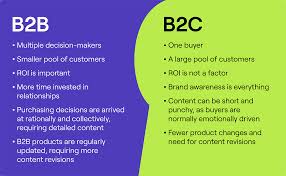
How has the B2B definition evolved over time?
In recent years, the b2b definition has continued to evolve, influenced heavily by social media, content marketing, and personalization. Businesses began prioritizing customer experience, recognizing that even in B2B interactions, the human element matters. Thought leadership, educational content, and targeted engagement strategies became essential in attracting and retaining clients. The b2b definition now involves building trust, providing value, and nurturing relationships through multiple touchpoints across digital and offline channels. Businesses are no longer just suppliers; they are partners who guide, educate, and collaborate with their clients to achieve shared goals.
Moreover, sustainability and ethical practices have influenced the contemporary b2b definition. Companies increasingly consider environmental impact, fair labor practices, and corporate responsibility when choosing partners. Clients are more informed and demand transparency, making ethical alignment a critical part of business relationships. This evolution underscores how the b2b definition has shifted from simple commerce to a more holistic model that integrates technology, strategy, ethics, and customer-centricity.
In conclusion, the b2b definition has continually adapted to reflect economic trends, technological advances, and changing business philosophies. From basic supply chain transactions to sophisticated, relationship-driven, technology-enhanced partnerships, B2B interactions are more complex and nuanced than ever. Understanding this evolution is essential for modern businesses aiming to remain competitive, build meaningful partnerships, and leverage innovation effectively. The b2b definition is no longer static—it is dynamic, responsive, and central to the ongoing transformation of global commerce.