
How does PCB manufacturing affect environmental sustainability?
PCB manufacturing affect environmental sustainability
Printed Circuit Boards (PCBs) are essential components in nearly all electronic devices, from smartphones to complex industrial machinery. While PCBs enable modern technology to function efficiently, their manufacturing processes raise significant environmental sustainability concerns. This issue encompasses various aspects, including resource consumption, waste generation, chemical use, and the long-term impacts on ecosystems and human health. Understanding how PCB manufacturing affects environmental sustainability is critical for developing more sustainable practices in the electronics industry.
The manufacturing of PCBs requires substantial natural resources, including metals like copper, gold, and aluminum, along with non-renewable materials such as fiberglass and various chemicals. The extraction of these materials often leads to habitat destruction, deforestation, and depletion of natural resources. For instance, mining operations can disrupt local ecosystems, displace wildlife, and contribute to soil and water contamination. As demand for electronic devices increases, the pressure on these resources intensifies, prompting a need for sustainable sourcing practices and alternative materials to mitigate environmental degradation.
The PCB manufacturing process employs numerous chemicals, many of which are hazardous and toxic. These include solvents, acids, and other substances used for cleaning, etching, and coating. The release of volatile organic compounds (VOCs) and heavy metals into the environment can have serious consequences for air and water quality. Inadequate handling and disposal of these chemicals can lead to soil contamination and water pollution, affecting both ecosystems and communities. Sustainable manufacturing practices should focus on minimizing chemical usage, adopting safer alternatives, and implementing robust waste treatment and disposal systems to reduce pollution.
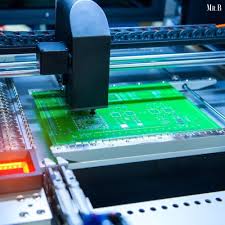
How does PCB manufacturing affect environmental sustainability?
PCB manufacturing generates significant amounts of waste, including offcuts, defective boards, and chemical byproducts. Electronic waste (e-waste) is a growing concern, as discarded PCBs often end up in landfills, where they can leach hazardous materials into the soil and groundwater. Recycling and proper disposal of e-waste are critical to mitigating its environmental impact. Implementing a circular economy approach, where materials are reused and recycled rather than discarded, can significantly reduce the burden on landfills and promote sustainable resource management.
The manufacturing of PCBs is energy-intensive, requiring substantial electricity for various processes, including etching, plating, and curing. The majority of energy used in PCB manufacturing comes from fossil fuels, contributing to greenhouse gas emissions and climate change. Transitioning to renewable energy sources, such as solar or wind power, can help mitigate the carbon footprint of PCB production. Additionally, improving energy efficiency through modern technologies and practices can reduce overall energy consumption, further supporting environmental sustainability.
The environmental impact of PCBs extends beyond manufacturing. Considering the entire lifecycle of PCBs—from raw material extraction through production, usage, and eventual disposal—is essential for understanding their sustainability. Many PCBs are designed for short-term use, leading to high turnover rates and increased waste generation. Designing PCBs for longevity, repairability, and recyclability can significantly reduce their environmental impact. Moreover, promoting consumer awareness about the importance of responsible disposal and recycling of electronic devices can help minimize e-waste.
Regulatory frameworks and industry standards play a crucial role in promoting environmental sustainability in PCB manufacturing. Governments and organizations worldwide are implementing stricter regulations regarding hazardous materials and waste management. Compliance with these regulations encourages manufacturers to adopt more sustainable practices and technologies. Industry initiatives, such as the Responsible Business Alliance (RBA) and the International Electrotechnical Commission (IEC), also promote sustainability by setting standards for ethical sourcing, production practices, and environmental stewardship.