
How does miniaturization impact circuit board assembly companies?
circuit board assembly companies
Miniaturization has revolutionized the electronics industry, and its impact on circuit board assembly companies cannot be overstated. As technology advances, the demand for smaller, lighter, and more powerful electronic devices continues to grow. This trend towards miniaturization presents both challenges and opportunities for circuit board assembly companies, influencing various aspects of their operations from design to manufacturing processes.
One of the most significant impacts of miniaturization on circuit board assembly companies is the need for increasingly compact and densely populated circuit boards. Miniaturization requires circuit boards to accommodate more components within a smaller footprint while maintaining functionality and performance. Assembly companies must leverage advanced design techniques and manufacturing processes to achieve high component density without compromising reliability or quality.
Furthermore, miniaturization drives innovation in materials and manufacturing technologies. Circuit board assembly companies must continuously explore new materials and techniques to meet the demands of miniaturization. This may involve using smaller components, such as microchips and surface-mount devices (SMDs), as well as employing advanced manufacturing processes like laser drilling and precision soldering. By embracing innovative approaches, assembly companies can keep pace with the trend towards miniaturization and deliver cutting-edge solutions to their customers.
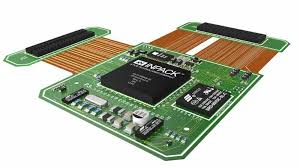
How does miniaturization impact circuit board assembly companies?
Moreover, miniaturization presents challenges related to thermal management and signal integrity. As components are packed more tightly onto circuit boards, heat dissipation becomes a significant concern. Overheating can degrade performance, reduce reliability, and even lead to component failure. Circuit board assembly companies must employ effective thermal management strategies, such as heat sinks, thermal vias, and advanced substrate materials, to ensure that miniaturized devices remain cool and reliable under operating conditions.
Additionally, miniaturization impacts testing and quality control processes. As components shrink in size and complexity increases, traditional testing methods may become less effective at detecting defects and ensuring quality. Circuit board assembly companies must invest in advanced testing equipment and techniques, such as automated optical inspection (AOI) and X-ray inspection, to thoroughly evaluate miniaturized circuit boards for defects such as soldering defects, component misalignment, and electrical shorts.
Furthermore, miniaturization influences the supply chain and component sourcing strategies of circuit board assembly companies. Smaller components may be more challenging to source and may have longer lead times than their larger counterparts. Assembly companies must work closely with suppliers to ensure a reliable supply of miniature components and mitigate the risk of supply chain disruptions. Additionally, the trend towards miniaturization may drive consolidation in the component industry as manufacturers focus on producing smaller, more specialized components to meet market demand.
In conclusion, miniaturization has a profound impact on circuit board assembly companies, influencing every aspect of their operations from design to manufacturing to testing. While miniaturization presents challenges related to component density, thermal management, testing, and supply chain management, it also creates opportunities for innovation and differentiation. By embracing advanced design techniques, materials, and manufacturing processes, assembly companies can meet the demands of miniaturization and deliver high-performance, reliable circuit boards for the next generation of electronic devices.