
Can flex pcb design be used in automotive applications?
flex pcb design
The advancement of technology in automotive applications is making it possible for cars to be equipped with sensors, control units, and other electronics that are essential to their function and performance. As a result, these electronics need to be durable and reliable enough to withstand movement, vibration, extreme temperatures, and other environmental factors. These demanding specifications call for flex PCBs, which are flexible printed circuit boards that combine rigid and conductive layers with a layer of dielectric material. Flex PCBs are used in automotive systems including lights, engine modules, braking system, and other vehicle components.
Using a flexible substrate with conductive traces printed on it allows for a more compact, thinner, and lighter board. They also provide better thermal management than traditional rigid PCBs, which can reduce the risk of failure due to overheating. These features make flex PCBs ideal for use in automotive applications.
However, flex pcb design have their own unique challenges. They require special materials that can resist the elements and harsh environments. In addition, they must be manufactured in a highly efficient and cost-effective manner. In order to accomplish these goals, manufacturers need to utilize cutting-edge production techniques, such as direct imaging and UV laser drilling. These techniques can significantly increase productivity and reduce costs, while providing high-quality results.
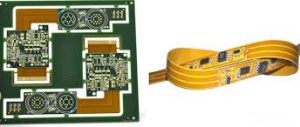
Can flex pcb design be used in automotive applications?
Another challenge is routing traces in the areas where the flex circuit is expected to bend. It is recommended to stagger traces in these regions to avoid adding stiffness to the area. The thickness of the copper traces must also be taken into account. Thicker traces are more difficult to bend than thinner traces. Additionally, wide ends on traces should be avoided since they can create stress points in the board when bent.
It is important to choose the right material for the adhesive layer of a flex PCB. There are numerous options available, including acrylic and epoxy. Acrylic and epoxy are both easy to work with and offer exceptional bond strength. However, they do not have the ductility and heat resistance of polyimide. In addition, they are not suitable for dynamic operations. For these reasons, it is recommended to use a pressure-sensitive adhesive (PSA) for flex PCBs.
The manufacturing process of a flex circuit board involves multiple steps and requires specialized equipment. Consequently, it is important to use the right design rules and consider alternative solutions, such as rigid-flex configurations, to maximize manufacturing efficiency and minimize the amount of materials needed.
A flex PCB can be finished with various coatings to improve its functionality and durability. Metallizations such as tin and soft gold are typically used for automotive applications. These coatings can help to protect the flex circuit from harsh environmental conditions and allow for easier soldering.
Using a flex circuit is a great way to improve the reliability and efficiency of an automotive electronic device. With the growing demand for advanced automotive technologies, flex PCBs are increasingly being used in vehicles and are set to play an important role in future innovations. The resilience of flex circuits is crucial for the safety and functionality of many in-vehicle electronics.