
Is Piano Transcription a Hard Job?
Piano Transcription
Piano transcription is an art that allows pianists to take orchestral works and other instruments, and expertly adapt them for the keyboard. This can offer a new perspective on familiar melodies and shows off the versatility of the piano as an instrument. But is it a hard job?
It depends on the person and the piece. For example, a string quartet transcription is much harder than a solo piano composition. This is because there are a lot more players on the recording, and it takes more practice to hear all of them at once.
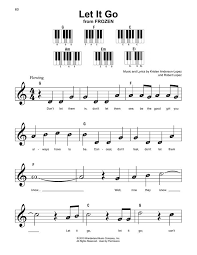
Another factor is the amount of detail that needs to be noted. Some people choose to transcribe everything, including the individual notes played, while others only transcribe important musical parts such as chords and melodies. The latter option requires a more analytical approach, and can be difficult to accomplish without the help of a software program like Sibelius.
https://tartalover.net/nicole-pesce
Is Piano Transcription a Hard Job?
When transcribing, it’s best to start small and slow, and work your way up. Try to transcribe a single line of music at a time, and listen back to it as often as necessary. This process is a great way to improve your ear, and you’ll find that the more you do it, the faster and more accurately you will get.
To start, try to transcribe something that you already know really well. It’s also a good idea to work with a friend so you can ask them to play something simple for you, and then note it down as they are playing. This will help you to develop a clear picture in your mind of what’s being played, and make it much easier to write down the correct notes.
https://m.youtube.com/@tartalover2682/videos
It’s a good idea to stick with diatonic songs at first as this will help you to learn the process of transcribing. This is because diatonic songs stay within a particular key, and this will make the whole process much simpler. Once you’ve mastered this, then you can move on to more complicated songs that use different chords, and also begin to incorporate Roman numeral analysis as you progress.
A big mistake that a lot of people make when transcribing is to give up when they hit a particularly tough measure. This can be very frustrating, but it’s essential to persevere. Taking a break for 10 minutes or a day can be incredibly helpful, and will give you fresh eyes and ears to tackle the problem from a completely new angle.
Transcription is a great way to hone your ear, and it can be an extremely satisfying skill once you’ve mastered it. Just be sure to be patient and take breaks when you need to, and don’t be afraid to ask for help if you’re stuck. By following these tips, you can soon be on your way to becoming an expert piano transcriber!