
Testing the Reliability of Flexible PCB
Reliability of Flexible PCB
The reliability of flexible pcb is essential to its successful use in many industrial applications. It can be subject to environmental, mechanical and electrical stresses that can cause it to malfunction or even fail, resulting in costly product recalls or replacements. Rigorous testing of flex PCB prototypes can help identify potential weaknesses and failure points, ensuring that the final product is both structurally and functionally reliable.
PCBs must be able to handle a wide range of environmental, mechanical and thermal stress. Testing methods can help determine how well a board will hold up under various conditions, including thermal shock, vibration, and humidity. These tests can help ensure that a board will be able to function as intended, whether in extreme temperatures or high-velocity data transmission systems like ethernet over twisted pair.
In addition to environmental testing, a flexible pcb needs to be able to resist mechanical stress, including bending and twisting. A hole pull test, for example, is used to evaluate the strength of the plated-through holes (PTHs) in the board by inserting a pin or wire into the hole and pulling on it until the hole breaks or the surrounding material fails. This test simulates the bending that a flexible pcb will experience in its final application, ensuring that it can withstand this type of physical stress.
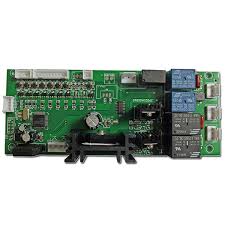
Testing the Reliability of Flexible PCB
The materials used in a flex PCB can also impact its overall reliability. For instance, some industries like aerospace or medical devices have strict standards they must meet when it comes to reliability, requiring the use of high-quality base materials. These materials, which include FR-4 (Flame Retardant 4) and polyimide, are often more durable than other options and can handle increased thermal or mechanical stress.
Other factors that can affect the reliability of a flex PCB include the manufacturing process, thermal management and component selection. For example, if a circuit board is not designed with proper heat dissipation in mind, it may overheat and cause a failure in a specific area of the board. This can be avoided by using the right layer stacking, soldering and substrate materials.
Finally, a failure to follow appropriate standards and guidelines for the fabrication of a flexible pcb can result in poor quality. These issues can include improper etching, poor soldering, or inconsistent layers. These issues can be spotted by inspection tools such as automated optical inspection (AOI) and non-destructive testing techniques.
The importance of testing the reliability of a flex PCB cannot be overstated. It is critical that these products undergo rigorous testing and evaluation throughout the design and manufacturing process to ensure a high-quality, robust end product. Testing methods can also help reduce the cost of rework and repairs by identifying any issues before mass production begins. By utilizing innovative, advanced testing techniques, manufacturers can ensure that their rigid-flex PCBs will perform as expected, without failure or degrading over time. These advances include automated optical inspection, machine learning, and thermal imaging. These technologies can greatly improve the speed and accuracy of flex PCB testing, helping manufacturers get their products to market faster and more reliably.