
What materials are crucial for Electronic assembly near me?
Electronic assembly near me
Electronic assembly is a complex process that requires the utilization of various materials to transform individual components into functional electronic devices. For those seeking electronic assembly services nearby, understanding the crucial materials involved in the process is essential. These materials play a significant role in ensuring the quality, reliability, and performance of the final electronic assemblies.
One of the most crucial materials for electronic assembly near me is the Printed Circuit Board (PCB). PCBs serve as the foundation for electronic circuits, providing mechanical support and electrical connections between components. They are typically made from non-conductive materials such as fiberglass reinforced with epoxy resin, known as FR4. The choice of PCB material depends on factors such as the application, complexity of the circuit, and desired performance characteristics.
Another essential material for electronic assembly is solder. Solder is a metal alloy with a low melting point that is used to create permanent electrical connections between components and the PCB. Common solder alloys include tin-lead (Sn-Pb) and lead-free alternatives such as tin-silver-copper (Sn-Ag-Cu) or tin-copper (Sn-Cu). The selection of solder alloy depends on factors such as environmental regulations, soldering process requirements, and desired joint reliability.
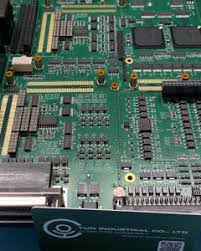
What materials are crucial for Electronic assembly near me?
Surface Mount Technology (SMT) components are integral to modern electronic assemblies and require specialized materials for attachment to the PCB. SMT components include resistors, capacitors, integrated circuits, and other semiconductor devices. SMT assembly typically involves the use of solder paste, which consists of solder alloy particles suspended in a flux medium. The solder paste is applied to the PCB using stencil printing equipment before components are placed and reflow soldered.
In addition to solder, flux is another critical material in electronic assembly. Flux is used to remove oxides from metal surfaces, prevent oxidation during soldering, and facilitate the wetting and bonding of solder to the components and PCB. Flux comes in various forms, including liquid, paste, and flux-cored solder wire. Water-soluble fluxes are commonly used in electronic assembly due to their ease of cleaning, environmental friendliness, and compatibility with automated assembly processes.
Conformal coating is a protective material applied to electronic assemblies to safeguard them from environmental factors such as moisture, dust, and chemical exposure. Conformal coatings can be applied using various methods, including spraying, brushing, or dipping, and are available in different chemical compositions such as acrylics, urethanes, silicones, and epoxies. The choice of conformal coating depends on factors such as the intended application, level of protection required, and compatibility with other assembly materials.
In summary, several materials are crucial for electronic assembly near you, including Printed Circuit Boards (PCBs), solder, surface mount components, flux, and conformal coatings. These materials play vital roles in facilitating the assembly process, ensuring the reliability and performance of electronic devices, and protecting them from environmental hazards. Understanding the properties and characteristics of these materials is essential for achieving successful electronic assemblies that meet the desired specifications and standards.